HEEL PAIN, EXPLAINED
Heel cups, insoles or stretches? Start with what's actually hurting.
Most heel pain is one of three things, and each one wants a different fix. We explain them in plain English and review the insoles, heel cups, socks and massagers that help — with honest scores and no brand sponsorship.
Where does it hurt?
Under the heel, worst with the first steps of the day
Plantar fasciitis
The arch's support band is irritated where it meets the heel bone. Arch-supporting insoles, calf stretches and fewer barefoot hours on hard floors are the first moves.
Plantar fasciitis guide →At the back of the heel, sore after activity
Achilles irritation or bursitis
The tendon or the small fluid sac behind it is inflamed. A slight heel lift, softer heel counters and easing back on hills usually settle it.
Heel pain guide →A sharp point or bruised feel under the heel pad
Heel spur or a thinning fat pad
Cushioning and a deep heel cup do the most here — the goal is to cradle the heel so less impact reaches the sore spot.
Heel spurs guide →Heel cups vs. insoles: the 60-second version
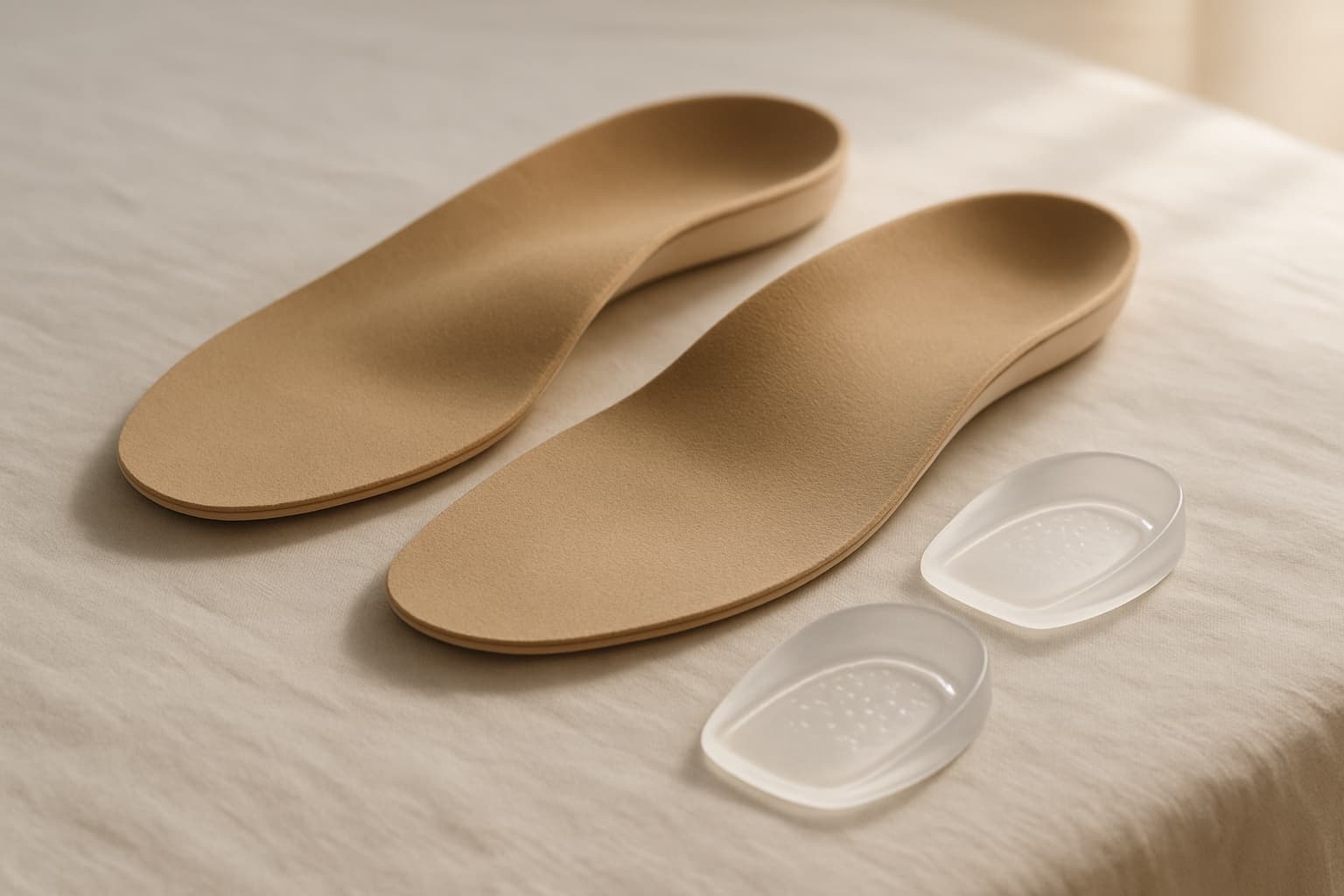
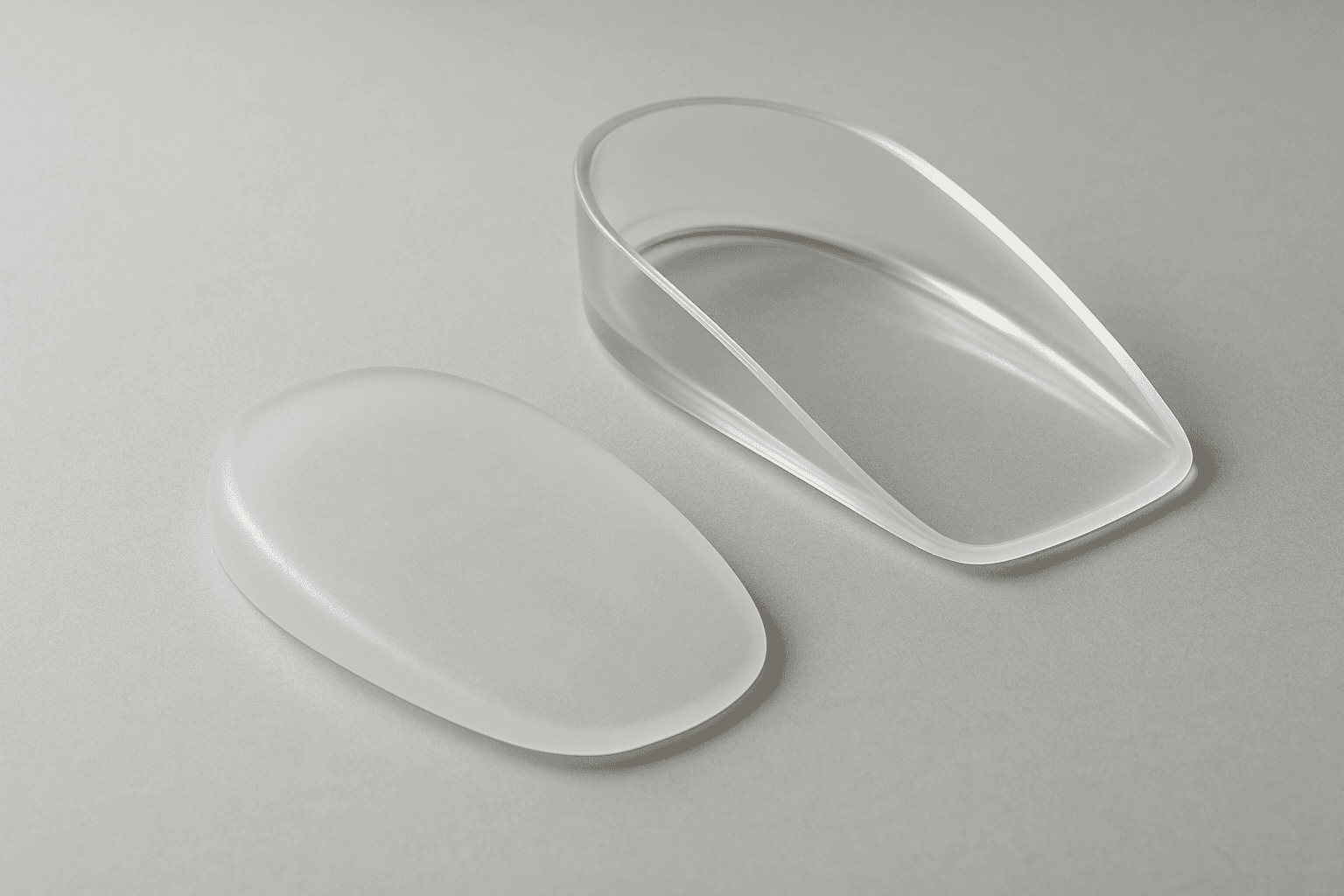
A heel cupis a small cradle that sits under the heel. It cushions the fat pad, keeps it from splaying sideways, and adds a little lift. It's the right tool when the heel pad itself is bruised or thinning, or when you need a soft landing in a shoe that can't take a full insole.
A full-length insoledoes more: it supports the arch so the plantar fascia isn't overstretched with every step, and the good ones build a deep heel cup into the back. That combination is why insoles are our first recommendation for the most common heel pain of all — plantar fasciitis — and why our top picks are insoles rather than cups.
Neither replaces stretching, sensible shoes, or a clinician when pain lingers. Our plantar fasciitis guide walks through the whole routine.
Our top-rated relief picks
All insoles →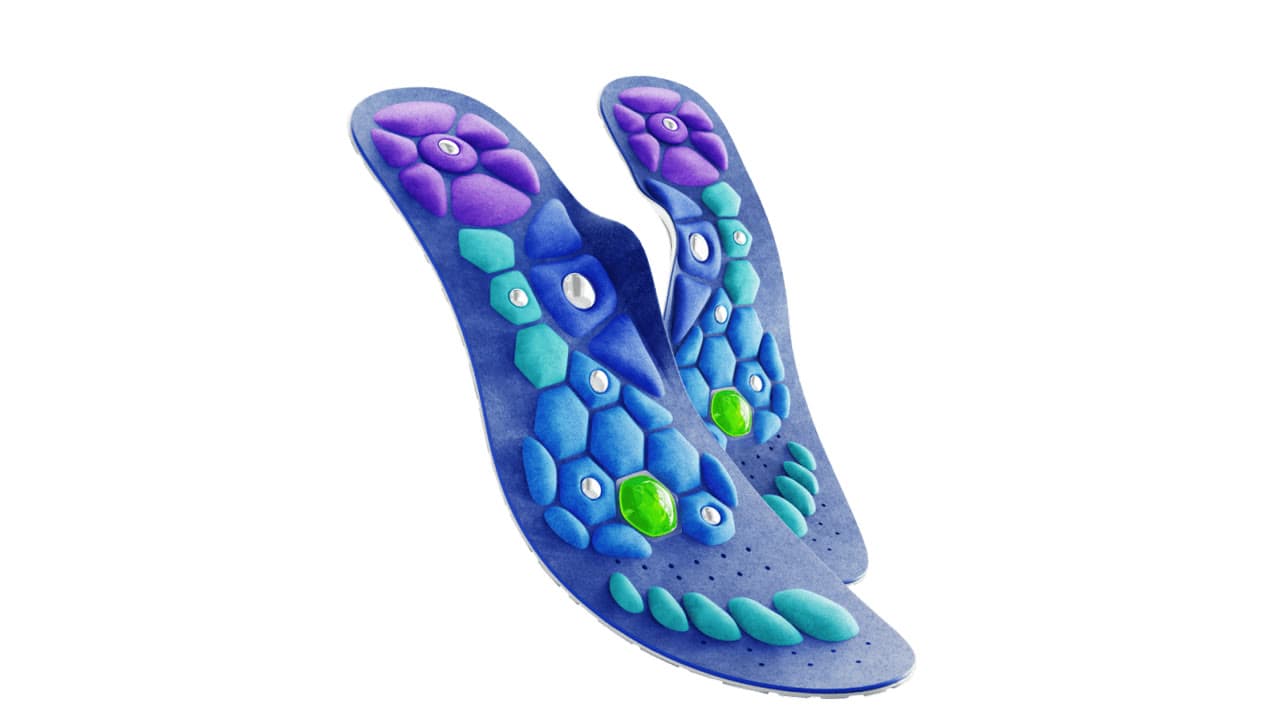
Browse by topic
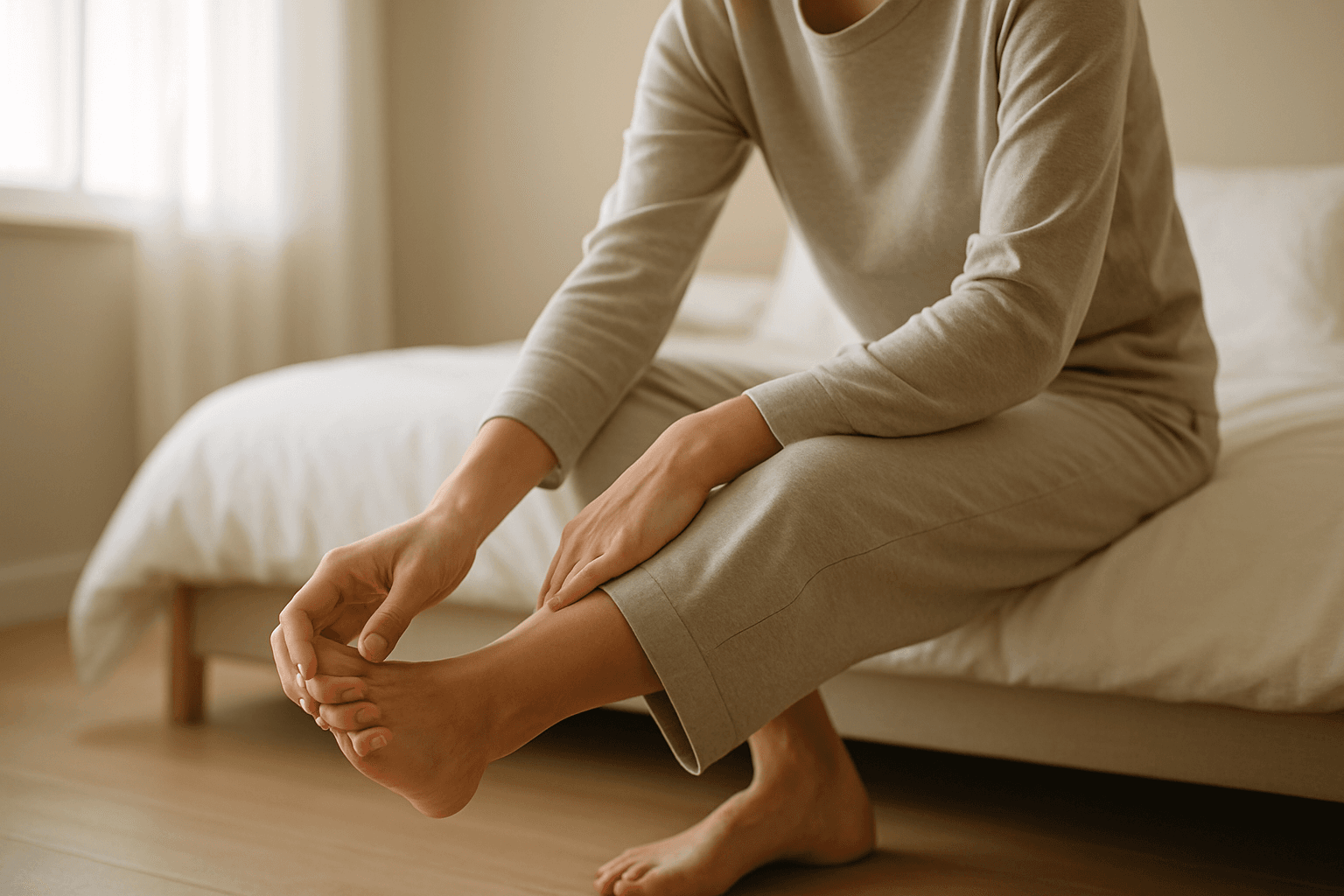
Plantar Fasciitis
The most common cause of heel pain, explained without the jargon — and the stretches, insoles and habits that give most people relief.
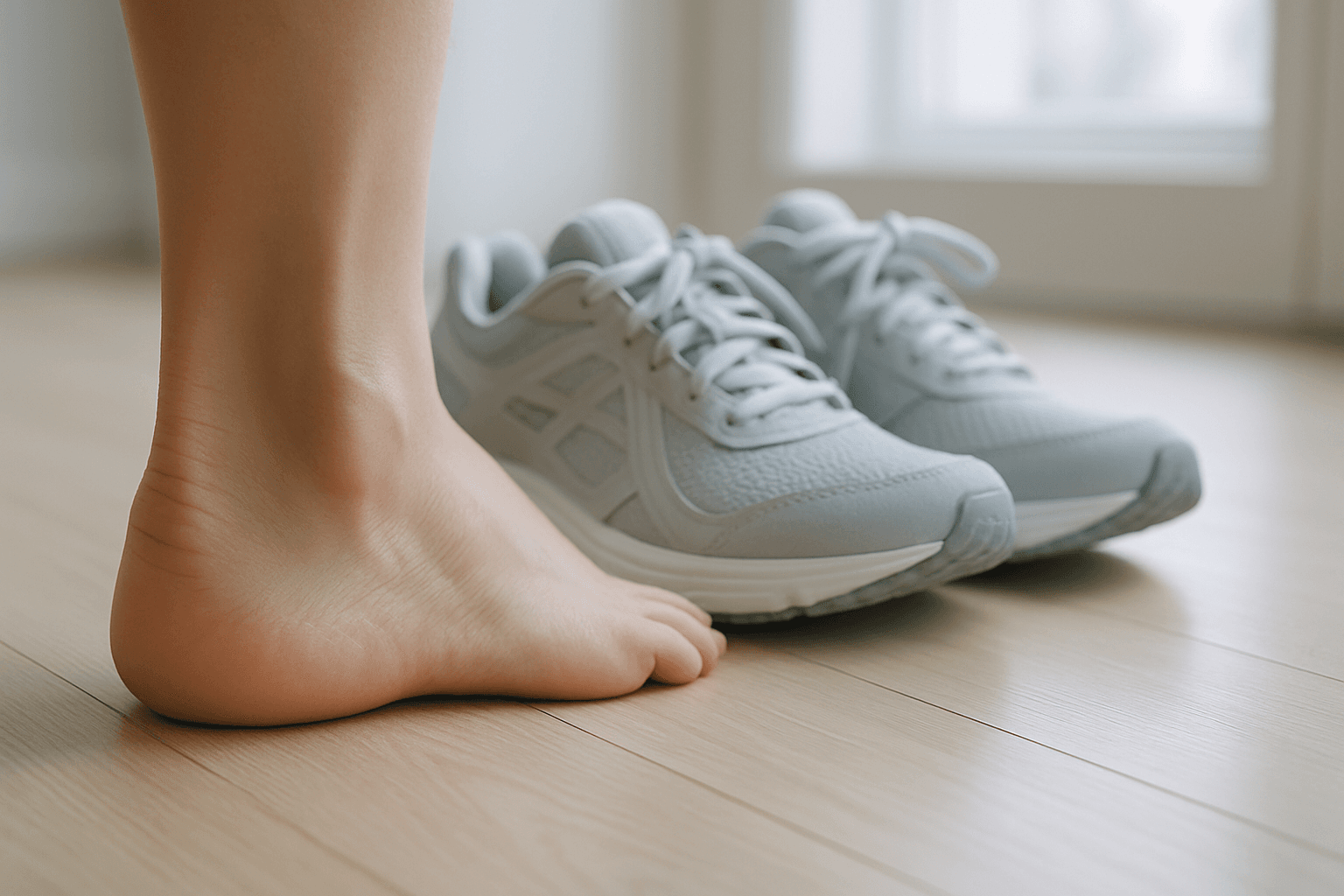
Heel Pain
Bottom of the heel, back of the heel, or the side — where it hurts says a lot about what's going on and what to try first.
Heel Spurs
A heel spur is a bony growth that shows up on X-ray — but it's rarely the thing that hurts. Here's how spurs relate to plantar fasciitis and what treatment looks like.
Insoles
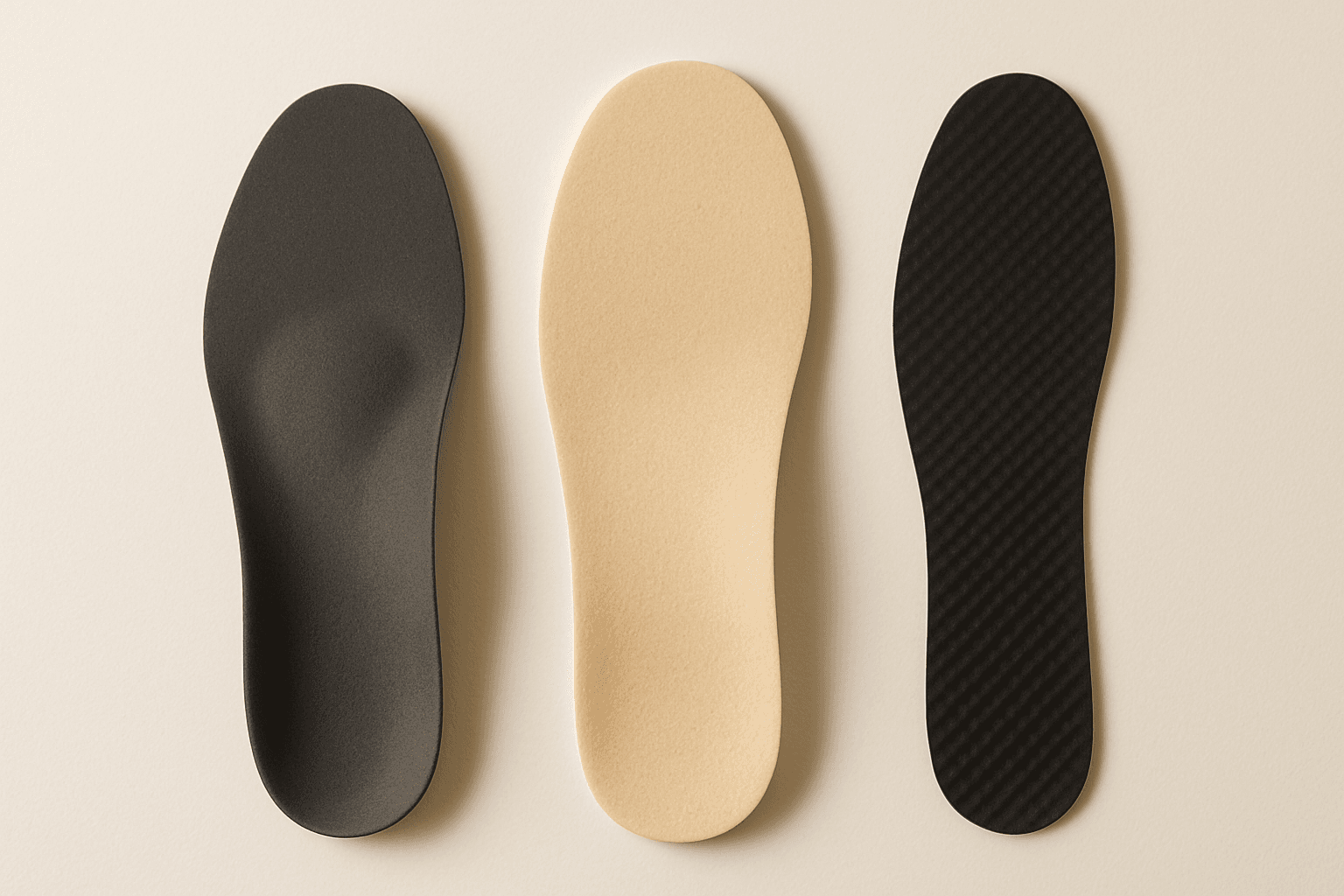
Arch support, cushioning, heel cups and trimming to fit — the buyer's guide to insoles for plantar fasciitis, flat feet, standing all day and work boots.
Foot Care
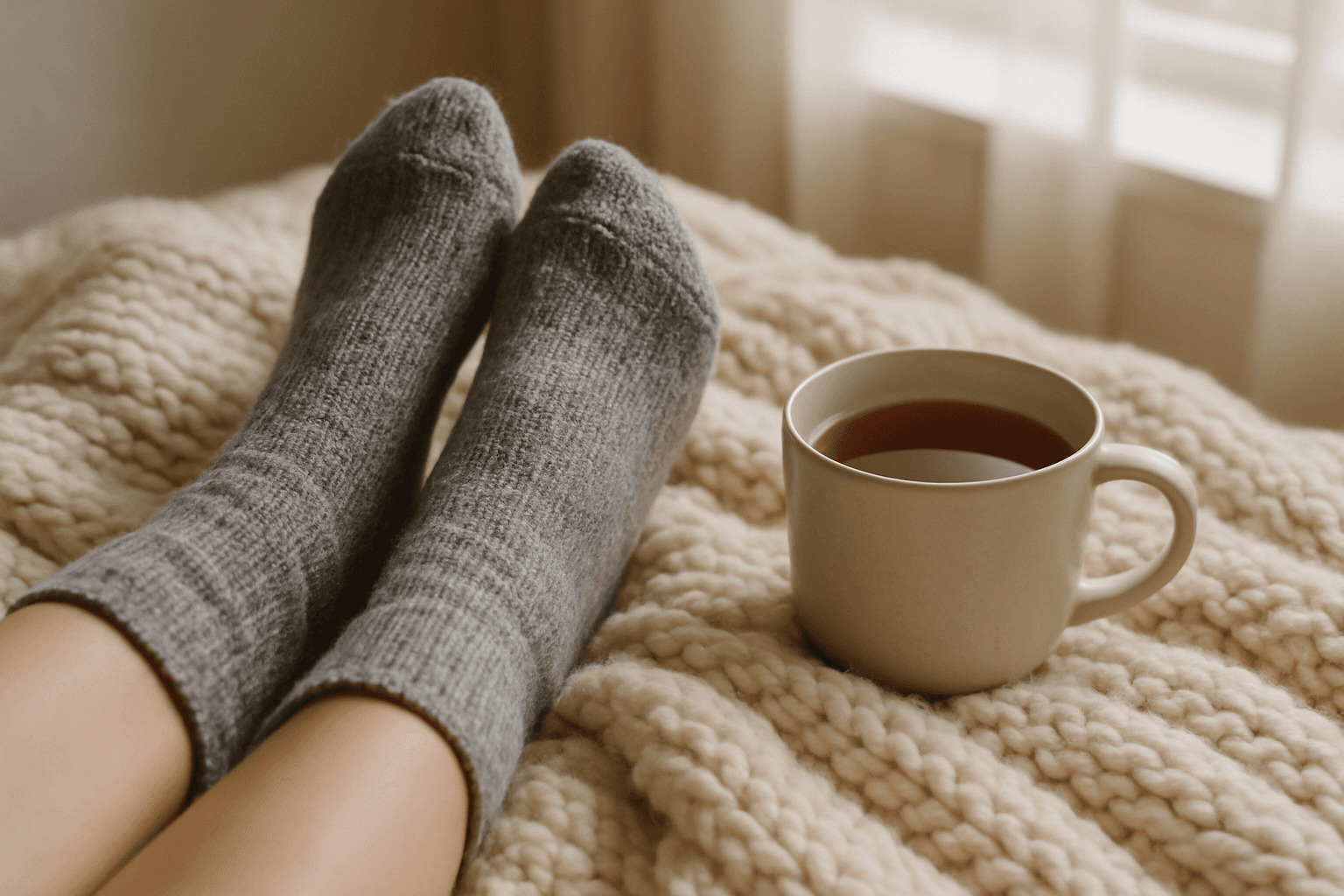
Everything below the ankle that isn't heel pain — compression and alignment socks, heated socks for cold feet, cracked heels, and toenail health.
Common questions
Heel cups or insoles — which one do I need?
Heel cups cushion and cradle the heel itself; they help when the pad of the heel is the sore spot. Full-length insoles support the arch and change how the whole foot loads; they help when the pain comes from the plantar fascia pulling on the heel — the classic morning heel pain. Many people with plantar fasciitis do best with a supportive insole that has a deep heel cup built in, which is why insoles lead our recommendations.
Why does my heel hurt first thing in the morning?
Overnight the plantar fascia and calf shorten. The first steps stretch them suddenly, which is why plantar fasciitis pain peaks on waking and eases as you warm up. Stretching before you stand and wearing supportive footwear from the first step both help.
When should I see a doctor about heel pain?
Book an appointment if the pain follows an injury, lasts more than a few weeks despite rest and supportive shoes, wakes you at night, or comes with swelling, numbness, fever or an inability to bear weight. Our content is general information, not a diagnosis.
HeelCups is written and reviewed by the Heelcups.com Team. We are reader-supported: when you buy through links on our site we may earn a commission at no extra cost to you. Nothing here is medical advice — see our medical disclaimer and how we review.